Published on 03/10/2026
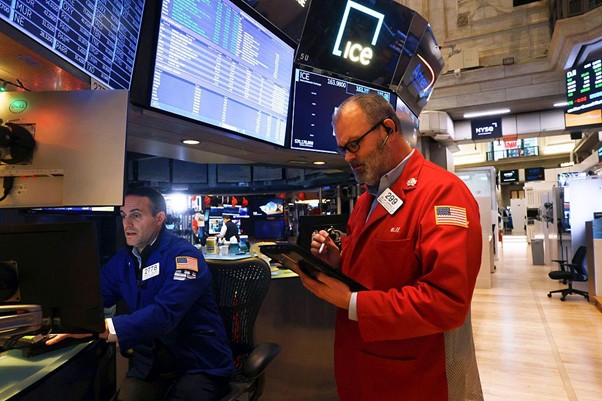
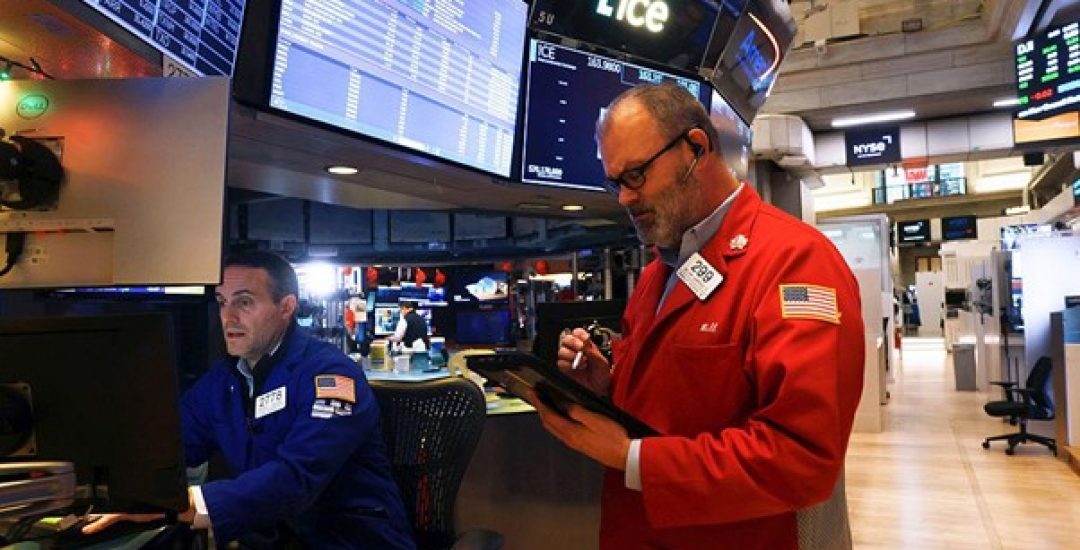
Major Wall Street stock indexes declined on Tuesday as investors adopted a more cautious stance after comments from U.S. officials suggested a possible escalation of the conflict in the Middle East. The situation increased energy costs and reignited inflation concerns.
U.S. Secretary of Defense Pete Hegseth and General Dan Caine indicated that attacks against Iran were intensifying. The statements came one day after President Donald Trump said he believed the conflict could end sooner than the previously estimated timeline of four to five weeks.
Following Trump’s comments, oil and natural gas prices extended their declines, moving further away from the concerning $120 per barrel level. This happened even after Iran stated that it would continue its oil blockade in the region.
At the same time, energy producers in the Middle East have not yet resumed full-scale production, and transportation costs are expected to remain elevated for some time, maintaining pressure on the global energy market.
According to Art Hogan, chief market strategist at B. Riley Wealth, market sentiment shifted quickly from one day to the next. He explained that the more optimistic tone seen earlier was replaced by increased caution after the statements from U.S. defense officials, leading investors to pause part of the recovery that had been observed in the markets.
The travel sector once again felt the effects of risk aversion. Airline stocks dropped more than 2%, while cruise companies Carnival and Royal Caribbean fell around 1.8%, reflecting concerns about the impact of the conflict on global tourism and transportation flows.
The rise in oil prices since the beginning of the conflict has also revived fears that the U.S. economy could face a stagflation scenario — a combination of weak economic growth and high inflation. This environment could complicate the work of the Federal Reserve, especially as recent indicators suggest signs of weakening in the labor market.
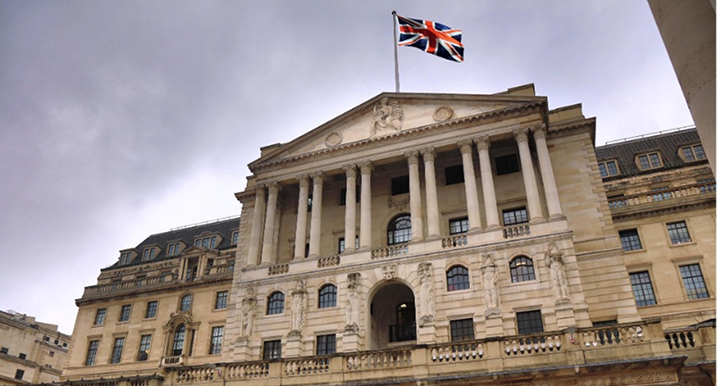
Data compiled by LSEG indicate that market traders are now pricing in the possibility of a 25 basis point interest rate cut around September if economic conditions continue to show signs of slowing.
At the time of publication, the Dow Jones Industrial Average was down 0.52%, trading near 47,491 points. The S&P 500 declined 0.39%, while the Nasdaq Composite posted a slight drop of 0.15%, reflecting the cautious mood among investors.
In the global financial market, geopolitical events and monetary policy decisions continue to be key drivers of market trends. International conflicts, energy prices, and interest rate expectations directly influence currencies, commodities, and indexes, increasing volatility and requiring more precise strategic analysis.
In this context, technology becomes a competitive advantage. At AIFinex, systems powered by Artificial Intelligence continuously monitor macroeconomic data, market movements, and changes in the global environment, executing trades in an automated and disciplined manner.
The interaction between geopolitics, monetary policy, and capital flows shows how interconnected the modern financial market has become. Understanding these dynamics and using advanced technological tools has become essential for navigating a highly volatile environment.
AIFinex was developed to transform data, analysis, and technology into strategic execution in the Forex market, connecting artificial intelligence, risk management, and global trading opportunities.
Connect your trading account and explore new possibilities in the financial market.