
Published on 03/20/2026
Global markets remain focused on the geopolitical situation in the Middle East, as the United States and Israel attempt to ease concerns over a potentially prolonged conflict with Iran. This environment of uncertainty continues to directly impact energy prices, inflation expectations, and the behavior of key financial assets.
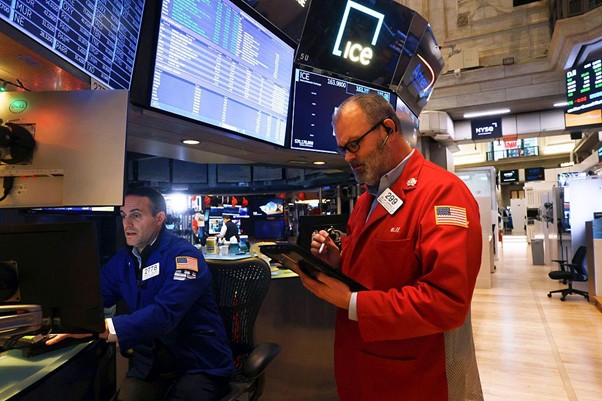
U.S. stock futures traded mixed on Friday, signaling a mild attempt at recovery after a week marked by high volatility. As of 07:58 AM (BRT), Dow Jones futures were up 0.1%, S&P 500 futures gained 0.1%, while Nasdaq 100 futures slipped 0.1%. In the previous session, major indices were pressured by rising energy prices and Federal Reserve warnings about persistent inflationary pressures.
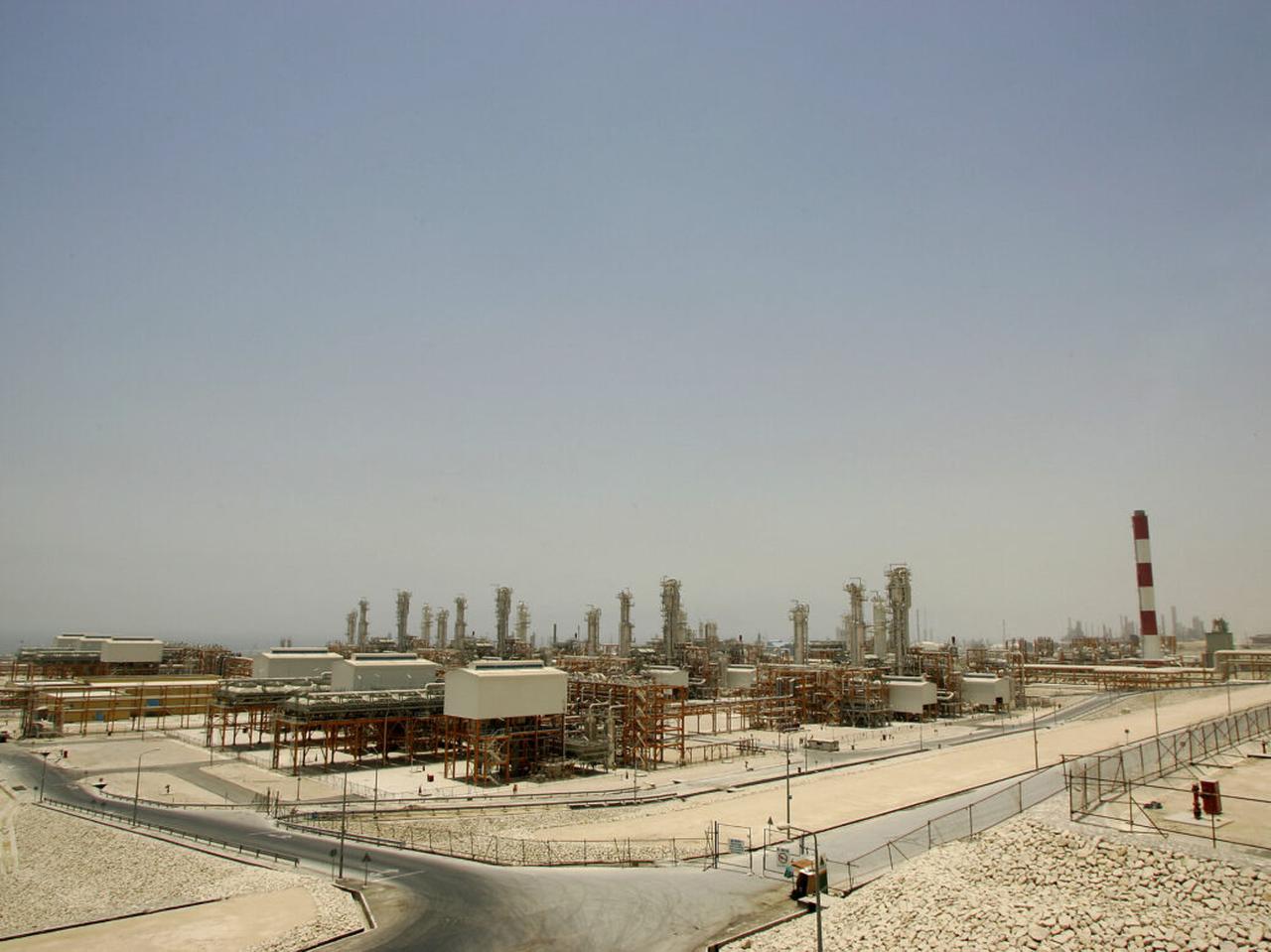
Market tensions escalated after Israeli strikes targeted the South Pars gas field in Iran, followed by Iranian retaliatory attacks on energy infrastructure across the Middle East, including key facilities in Qatar. This pushed Brent crude prices close to $119 per barrel, while European natural gas benchmarks also surged.
Markets later found some relief after signals indicated that no further strikes would target South Pars. Additionally, the White House outlined potential measures to ease stress in energy markets, including the possibility of easing sanctions on Iranian oil. Despite this, major central banks — including the Federal Reserve, European Central Bank, Bank of England, Swiss National Bank, and Bank of Japan — chose to keep interest rates unchanged this week, awaiting greater clarity on the economic impact of the conflict.
Even with the recent pullback, oil prices remain elevated, with Brent trading around $109 per barrel, well above the approximately $70 level seen before the conflict. A key factor supporting prices continues to be the closure of the Strait of Hormuz, one of the world’s most critical oil shipping routes.
Iran has threatened to target vessels attempting to pass through the strait, while shipping companies remain reluctant to operate in the region due to security risks and insurance challenges. As a result, a significant portion of global oil supply has been disrupted, leading to logistical delays and upward pressure on prices. Analysts suggest that only a full reopening of the strait or a meaningful de-escalation of tensions will normalize supply flows.
In the metals market, gold prices showed a modest recovery after posting significant losses throughout the week. The move was largely driven by rising inflation expectations and reduced bets on near-term interest rate cuts, a scenario that typically weighs on precious metals. However, a recent pullback in the U.S. dollar helped limit further downside.
In the corporate sector, FedEx raised its full-year profit outlook after reporting stronger-than-expected fiscal third-quarter results, supported by solid demand. However, the company warned that rising fuel costs and potential changes in air routes due to the Middle East conflict could pressure margins in the coming periods. Despite this, FedEx stated that, so far, aviation fuel supply has not been directly impacted. Shares rose more than 9% in U.S. pre-market trading.
The current environment reinforces the strong interconnection between geopolitics, energy markets, and global financial systems. Events in the Middle East remain a key driver of global volatility, influencing inflation, monetary policy decisions, and capital flows.
In this context, market awareness and adaptability become essential for decision-making. Environments shaped by geopolitical risks and macroeconomic shifts require continuous analysis, operational discipline, and the ability to respond quickly to changing conditions.
At AIFinex, artificial intelligence is used to process large volumes of data in real time, identifying patterns, adjusting strategies, and executing operations based on well-defined technical criteria. This approach supports greater operational consistency, even in highly volatile market conditions.
The evolution of financial markets highlights the growing importance of technology as a strategic advantage. Being prepared and properly positioned in such an environment is key to capturing opportunities in a structured and disciplined way.
Stay informed, maintain strong risk management, and use tools that align with the dynamic nature of today’s global financial markets.