Published 06/16/2026
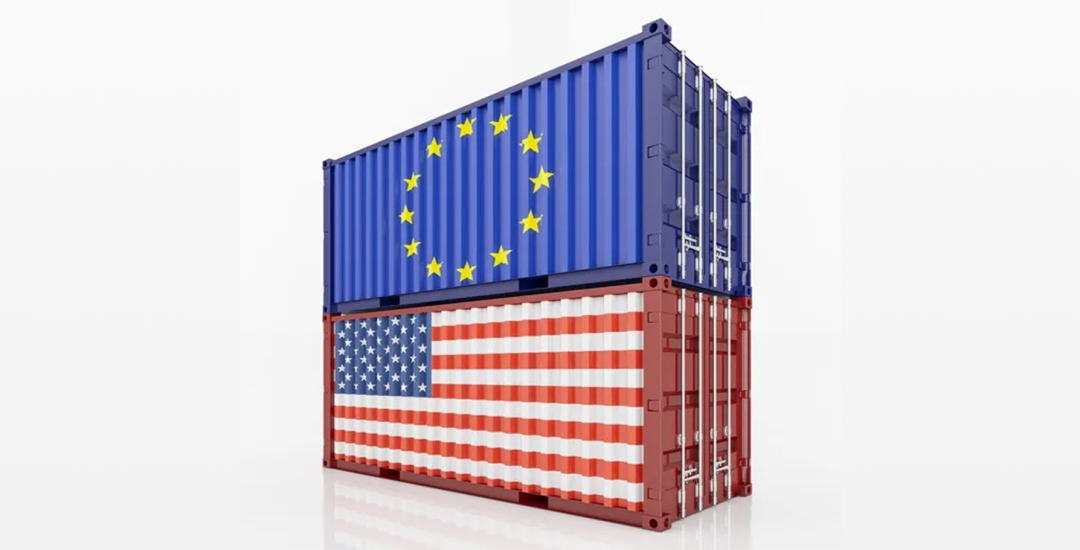
The European Parliament has approved key legislation aimed at implementing the trade agreement reached between the European Union and the United States last year, reducing import duties on a range of American products and helping prevent a new escalation of trade tensions between the world’s two largest economic blocs.
The agreement was negotiated between U.S. President Donald Trump and European Union representatives in July 2025. Under the deal, the EU agreed to reduce tariffs on U.S. industrial goods and expand access for American agricultural products to the European market. In return, the United States maintained 15% tariffs on most imports from the European Union.
After months of negotiations and internal discussions, the European Parliament approved the implementation of the measures by a wide margin. The vote also included an extension of duty-free imports of U.S. lobster products, a measure that was already part of previous trade arrangements between the two sides.
The approval represents an important step toward preserving stability in transatlantic trade relations, especially following warnings from the U.S. administration regarding the possibility of imposing additional tariffs if the agreement was not implemented within the established timeline.
Despite this progress, several issues remain unresolved. The U.S. government continues to evaluate tariff structures applicable to various European products, while the European Union has included safeguard mechanisms that allow it to suspend trade concessions if the terms of the agreement are not respected.
The legislation also establishes potential response measures should U.S. tariffs on certain metal-derived products remain above agreed levels by the end of the year.
Developments surrounding this agreement are being closely monitored by global financial markets, as trade relations between the United States and the European Union have a significant influence on international commerce, global supply chains, and investment flows.
For investors and market participants, reducing uncertainty surrounding international trade tends to create a more predictable environment, supporting long-term investment decisions and strengthening overall market confidence.
In an increasingly interconnected global economy, monitoring trade negotiations, regulatory developments, and government policy decisions has become essential for understanding market movements and their potential impact on different asset classes.
Technology plays an increasingly important role in this process, enabling real-time monitoring of economic events, trade policies, and regulatory changes that may influence financial markets.
AIFinex leverages advanced technology, artificial intelligence, and data analytics to help users monitor market developments more efficiently, identify opportunities, and adapt to changing economic and financial conditions.
As the global economic landscape continues to evolve and new events influence international markets, being prepared to act with information, discipline, and technology can make all the difference.