Published 07/21/2026
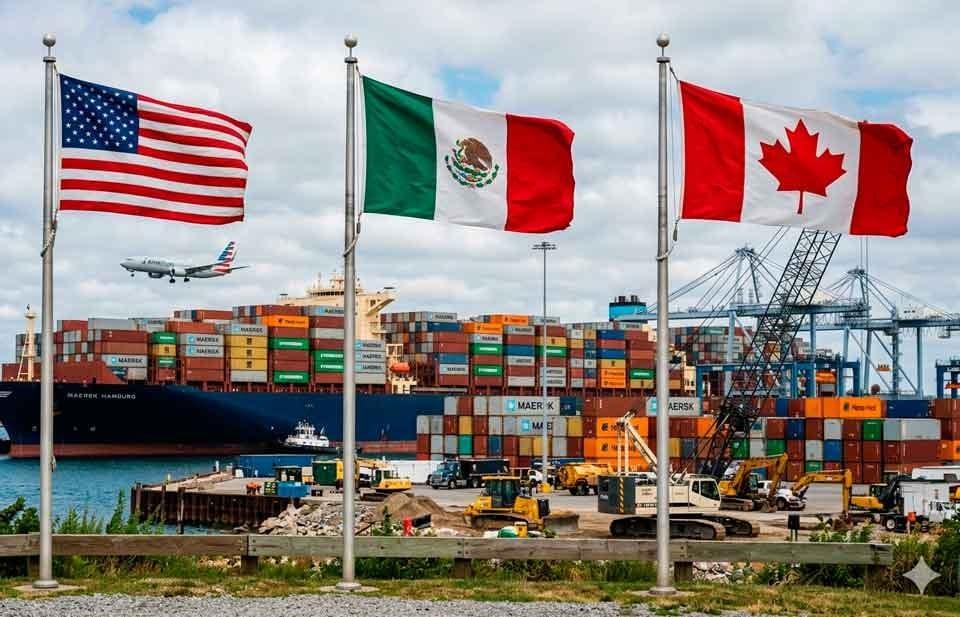
The United States and Mexico have begun a new round of negotiations to review the United States-Mexico-Canada Agreement (USMCA), while President Donald Trump’s administration intensifies its trade strategy by imposing new tariffs on Canadian products.
The three-day bilateral negotiations, which do not include Canada, mark the first formal discussions on potential changes to the trade agreement since the Trump administration decided not to automatically renew the USMCA on July 1, 2026.
That decision initiated a process that could ultimately lead to the agreement’s expiration over the next ten years unless the three countries reach a consensus on a revised version of the treaty. The USMCA is considered one of the cornerstones of North American trade and currently supports approximately $1.6 trillion in annual trade between the United States, Mexico, and Canada.
Several business organizations and industry groups have urged the government to preserve the trilateral structure of the agreement, emphasizing that tariff-free trade among the three countries has played a critical role in strengthening the region’s competitiveness, particularly in the automotive, manufacturing, industrial, and agricultural sectors.
According to U.S. Trade Representative Jamieson Greer, the primary objective of the proposed review is to reduce the U.S. trade deficit with Mexico and Canada while encouraging more manufacturing investment and industrial activity to return to the United States.
Data from the U.S. Census Bureau show that the U.S. goods trade deficit with Mexico increased by $28 billion in 2025, a rise of approximately 17%, reaching $197 billion. Meanwhile, the trade deficit with Canada declined by $12.9 billion, or about 21%, ending the year at $48.3 billion.
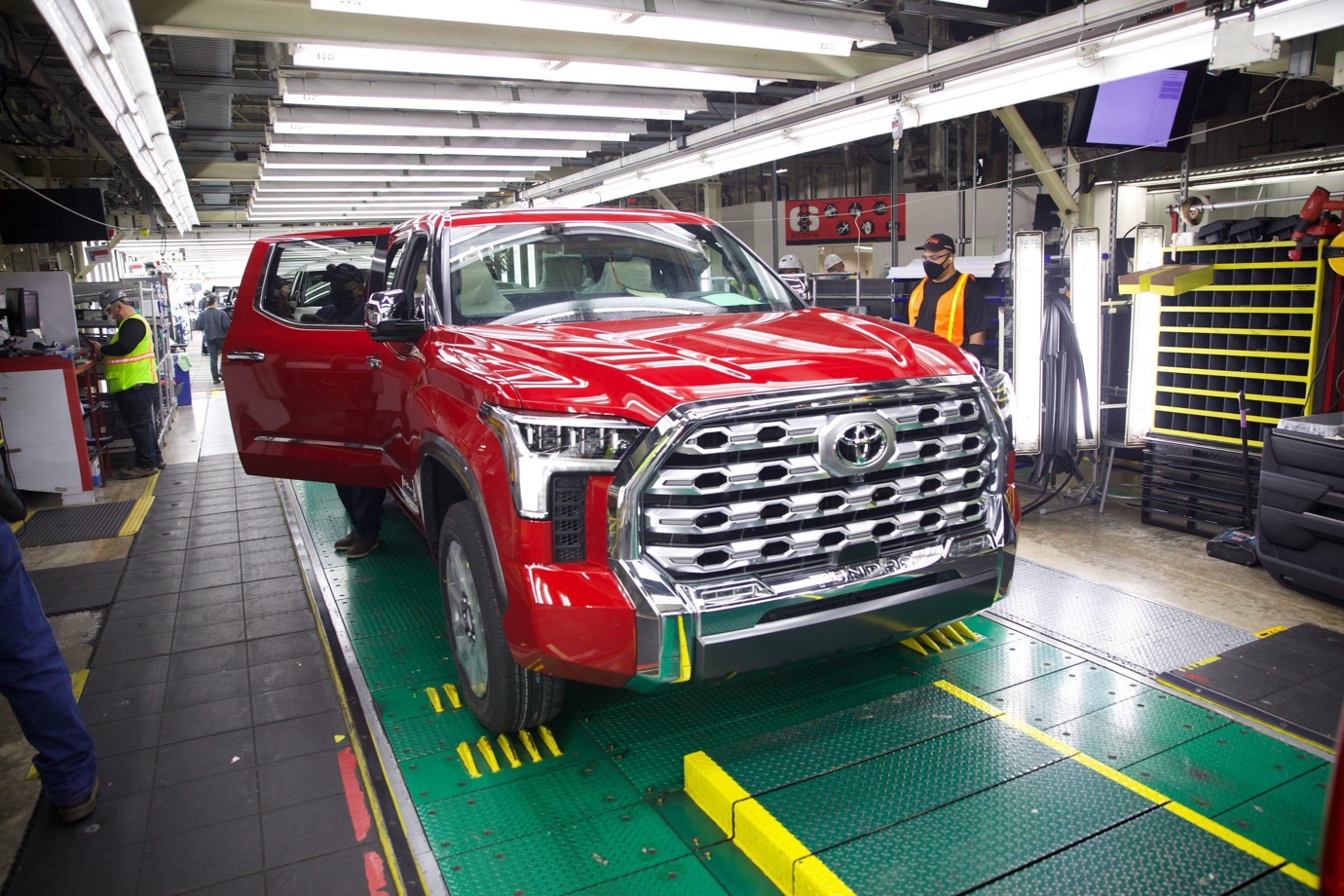
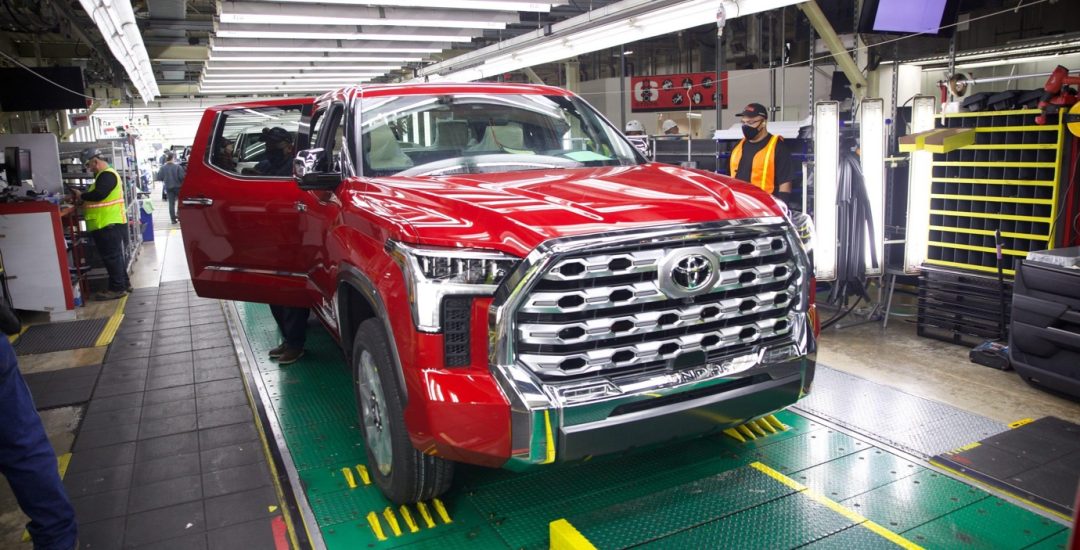
In an interview with CNBC, Jamieson Greer stated that the administration is already seeing positive signs of expanding manufacturing investment within the United States. One example cited was Toyota’s expansion of its Texas manufacturing facility, which is expected to produce pickup trucks that are currently assembled in Mexico.
The review of the USMCA could have significant implications across several sectors of the North American economy. Changes to trade rules may affect global supply chains, production costs, industrial investment, and export flows among the three countries.
Financial markets are closely monitoring the negotiations, as any revisions to the agreement could influence companies operating in the automotive, industrial, agricultural, manufacturing, and logistics sectors, while also affecting currencies, equity markets, and North America’s economic growth outlook.
As negotiations continue, investors will remain focused on developments involving the United States, Mexico, and Canada, recognizing that any significant changes to the USMCA could have important consequences for international trade and global financial markets.
AIFinex combines artificial intelligence, advanced market analytics, and real-time financial insights to help users stay informed about global economic developments and make more data-driven decisions in an ever-changing financial environment.
In today’s highly interconnected financial markets, understanding macroeconomic trends and geopolitical developments is essential for identifying opportunities and managing risk with greater confidence.